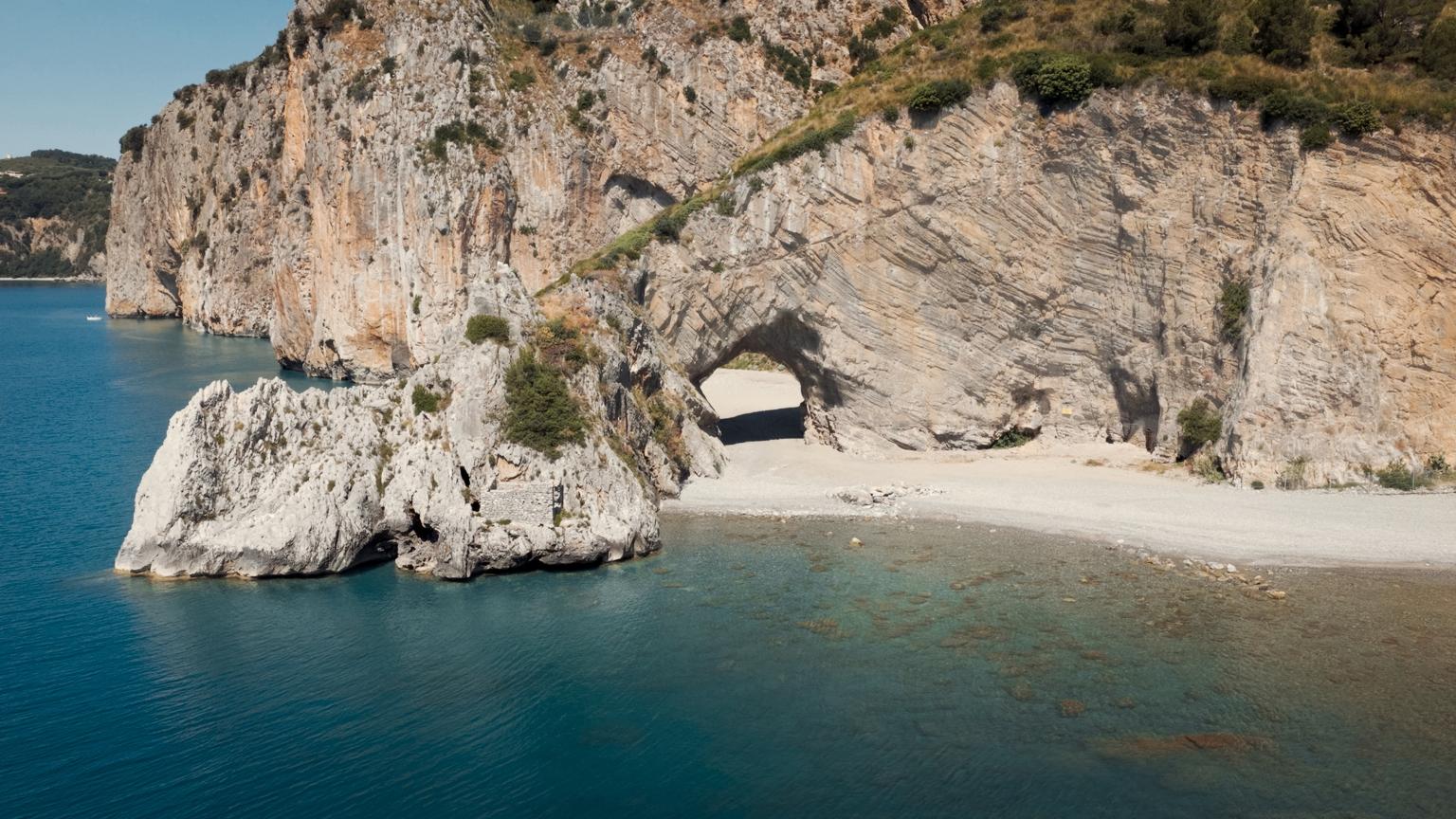
In Cilento the Mediterranean does not reveal itself: it reveals itself slowly. Among silent mountains, villages suspended in time, wild coasts and ancient paths, this land preserves a deep and authentic soul, far from the routes of hasty tourism. Here the journey is never just travel, but a return to the origins, an encounter with a culture that has chosen to resist time. Cilento and Vallo di Diano are the most intimate heart of the Mediterranean: a place where nature, myth, history and traditions coexist in balance, giving life to one of the most complete and authentic destinations in Southern Italy.
Cilento has always been inhabited. Greeks, Lucanians, Romans, Basilian monks and peasant communities have left profound traces, still visible today in archaeological sites, villages, rites and the landscape. Here the Mediterranean is a living memory: not just the sea, but the mountains, silence, spirituality. Cilento probably takes its name from the Greek term Kylentòs, linked to the idea of "hidden place", perfectly consistent with its reserved and authentic soul.
Alongside Paestum and Elea-Velia, the ancient homeland of the Eleatic Philosophical School, Cilento preserves an archaeological heritage of extraordinary value. Here Parmenides and Zeno reflected on being and the infinite, while the sea became a metaphor for knowledge and transformation. The Eleatic School is considered one of the roots of Western philosophical thought: Cilento is also a land of ideas, not just landscapes.
Among ruins, ancient walls and Roman roads, the journey becomes a continuous dialogue with the past, often shrouded in mysteries and legends never fully revealed.
Cilento is one of the Italian destinations most suited to outdoor and sports tourism. The Cilento, Vallo di Diano and Alburni National Park, a UNESCO heritage site, offers an ideal landscape for those who love to experience nature in an active and conscious way. Here the movement is not performance, but a deep connection with the territory. Many paths in Cilento follow ancient transhumance routes, traveled for centuries by shepherds and merchants.
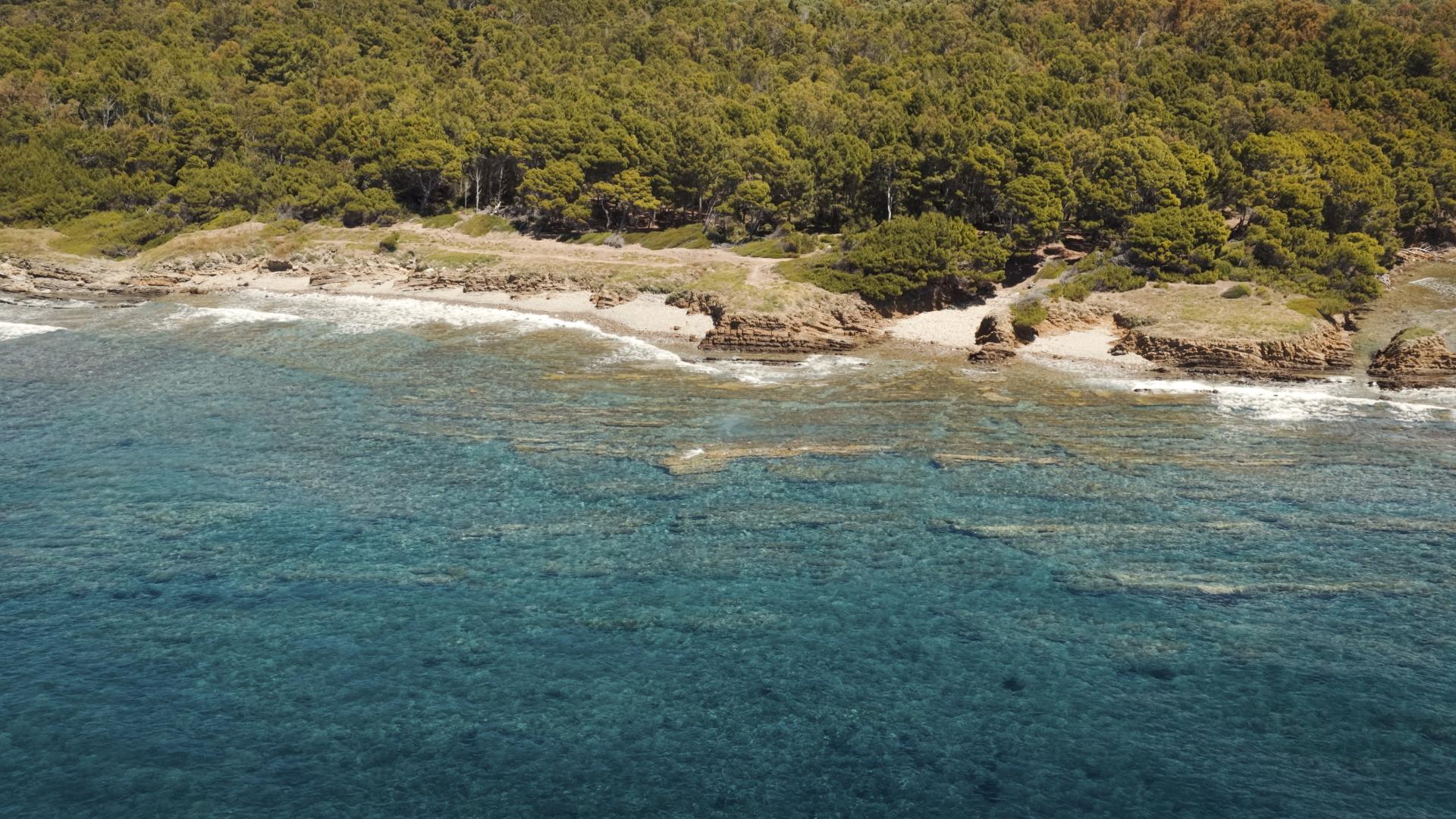
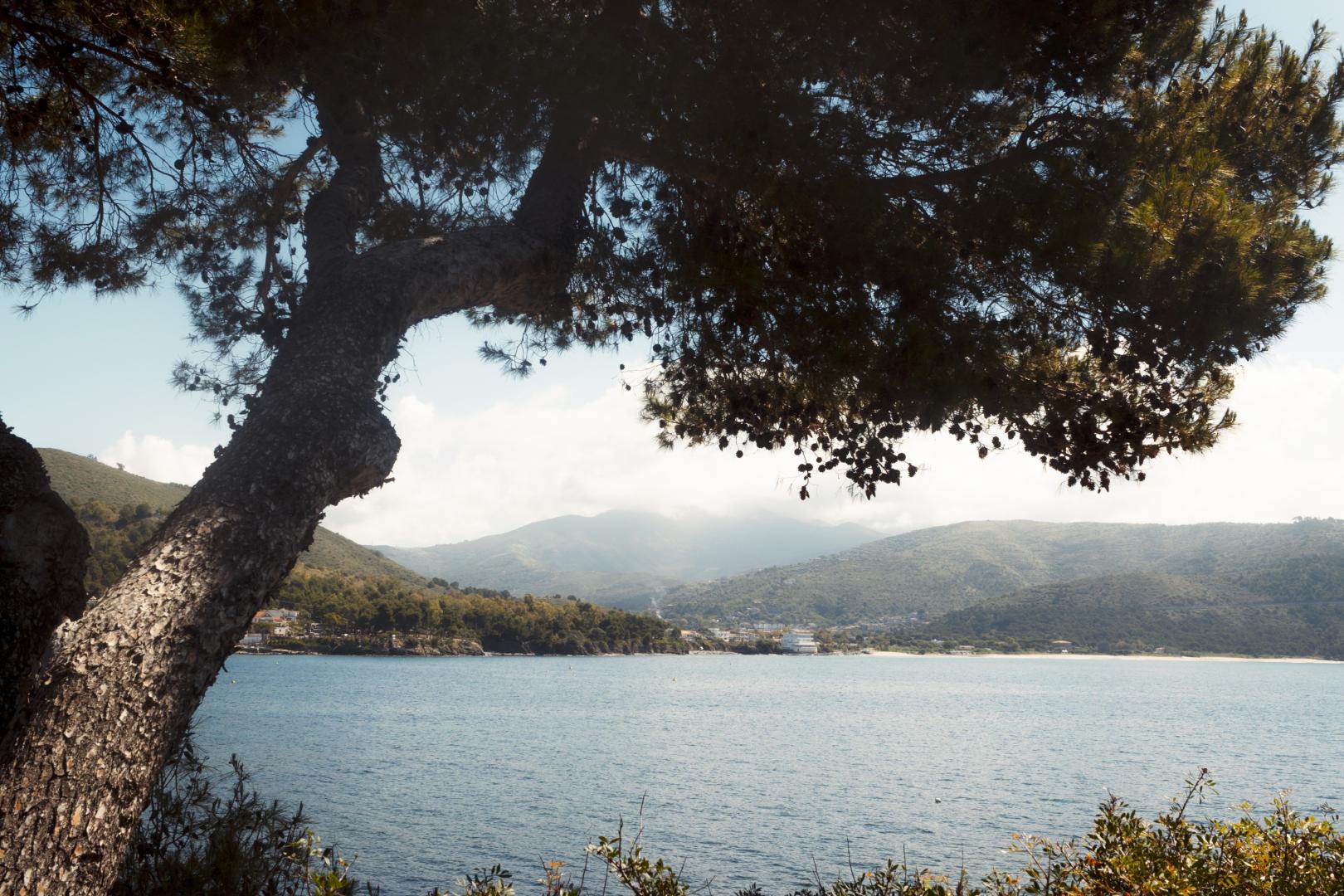
Cilento holds some of the most pristine coasts of the Mediterranean, where the sea meets cliffs, hidden coves and golden beaches. Places such as Marina di Camerota, Palinuro, Acciaroli and Castellabate tell of an authentic Mediterranean, far from excess and close to nature. Seaside and nautical tourism is expressed here in a sustainable way through snorkeling and diving, kayaking and sailing and boat excursions along caves and headlands. The promontory of Palinuro takes its name from Aeneas' helmsman, who according to the myth found his death precisely on these coasts.
In Cilento time passes differently. The rural villages, perched between hills and mountains, preserve a heritage of gestures, words and traditions that have been lost elsewhere. Here tourism is made up of farmhouses and widespread hospitality, but also of popular festivals and religious rites and obviously craftsmanship and peasant knowledge. Many Cilento villages preserve legends linked to spirits, saints and sacred places, handed down orally from generation to generation.
Cilento is the cradle of the Mediterranean Diet, recognized by UNESCO as an intangible heritage of humanity. But here it is not an abstract concept: it is a lifestyle. Extra virgin olive oil, legumes, cereals, oily fish, wild herbs and wine describe a simple, profound, authentic cuisine. Eating in Cilento means participating in a culture, not just having a meal. Ancel Keys studied the beneficial effects of the Mediterranean Diet right in Cilento, observing the longevity of the local populations.
Between caves, sacred mountains and rock sanctuaries, Cilento retains a strong bond with the sacred and the mysterious. The sea caves of Palinuro, the cults linked to nature, the religious and pagan traditions coexist in a landscape that invites silence and contemplation. Here the Mediterranean is not just a geographical space, but a spiritual dimension, a profound experience. An ancient soul that continues to live, far from the noise but close to the essence.