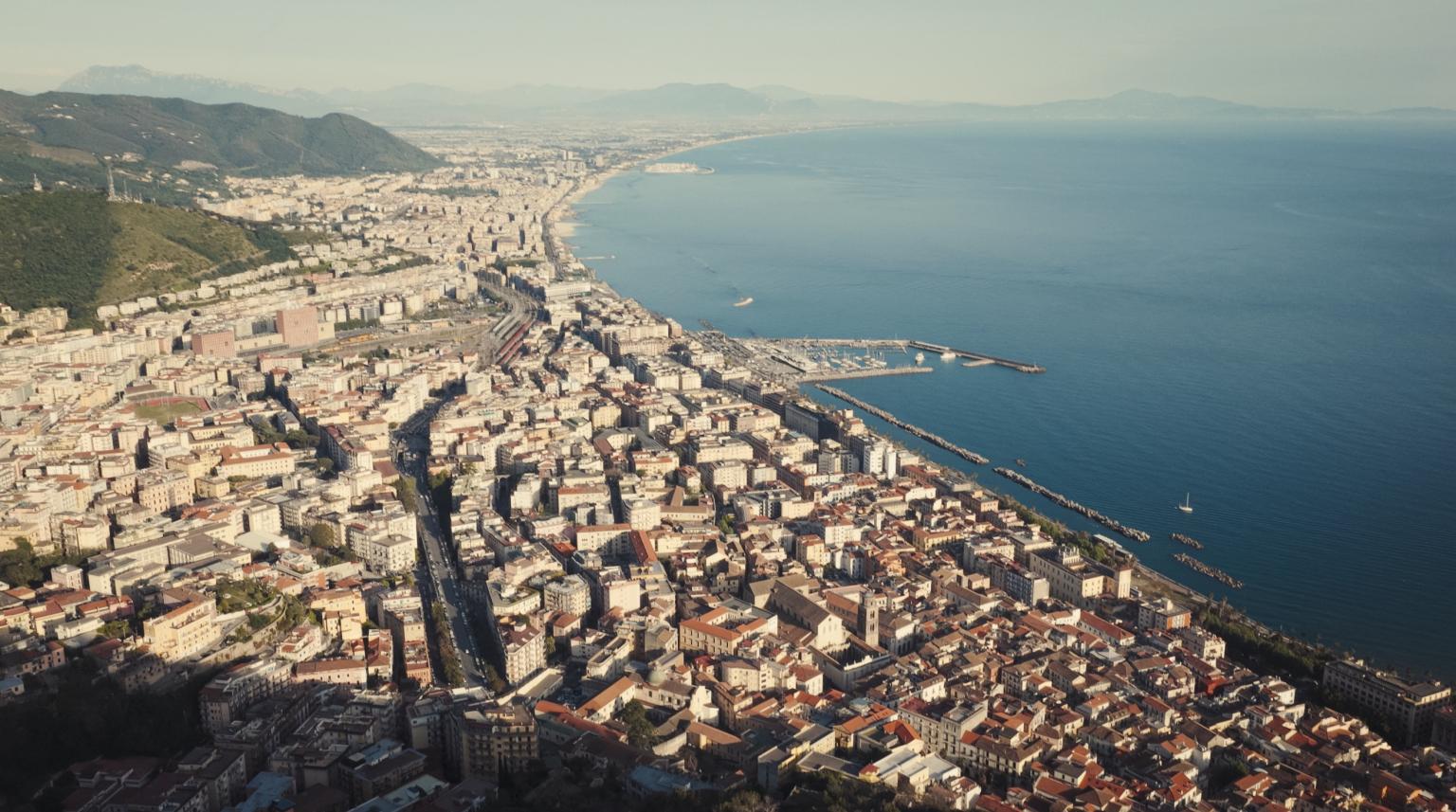
There is a city that you don't just cross: Salerno you enter. From the sea, from the light that reflects on the seafront at sunset, from the daily rhythm of a living city. Salerno is an open door to the Mediterranean, a place of passages and meetings, where urban and cultural tourism is intertwined with real life, the one lived every day. Here the Mediterranean is not just a historical legacy, but a presence, made up of people, ideas, events and relationships.
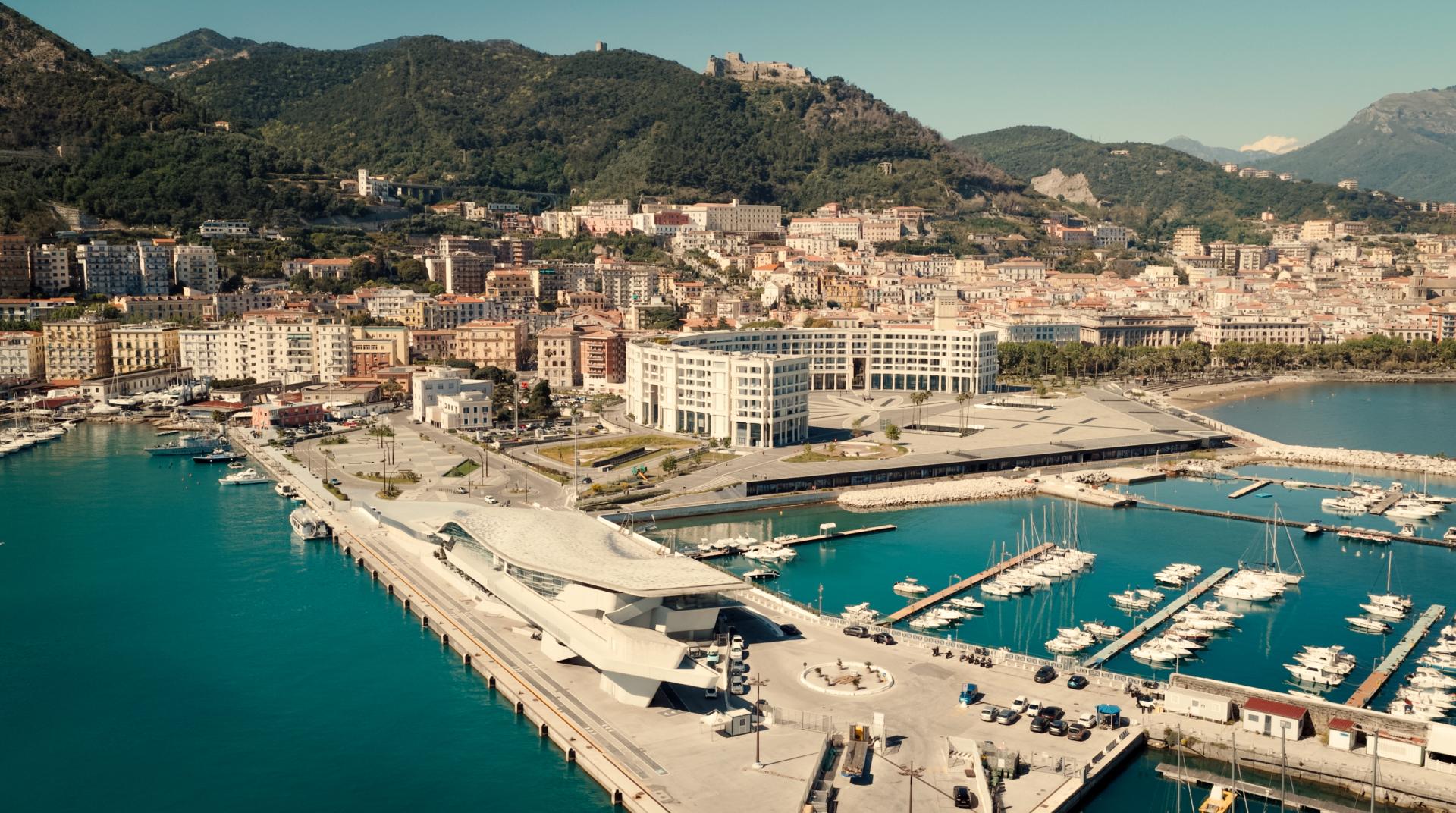
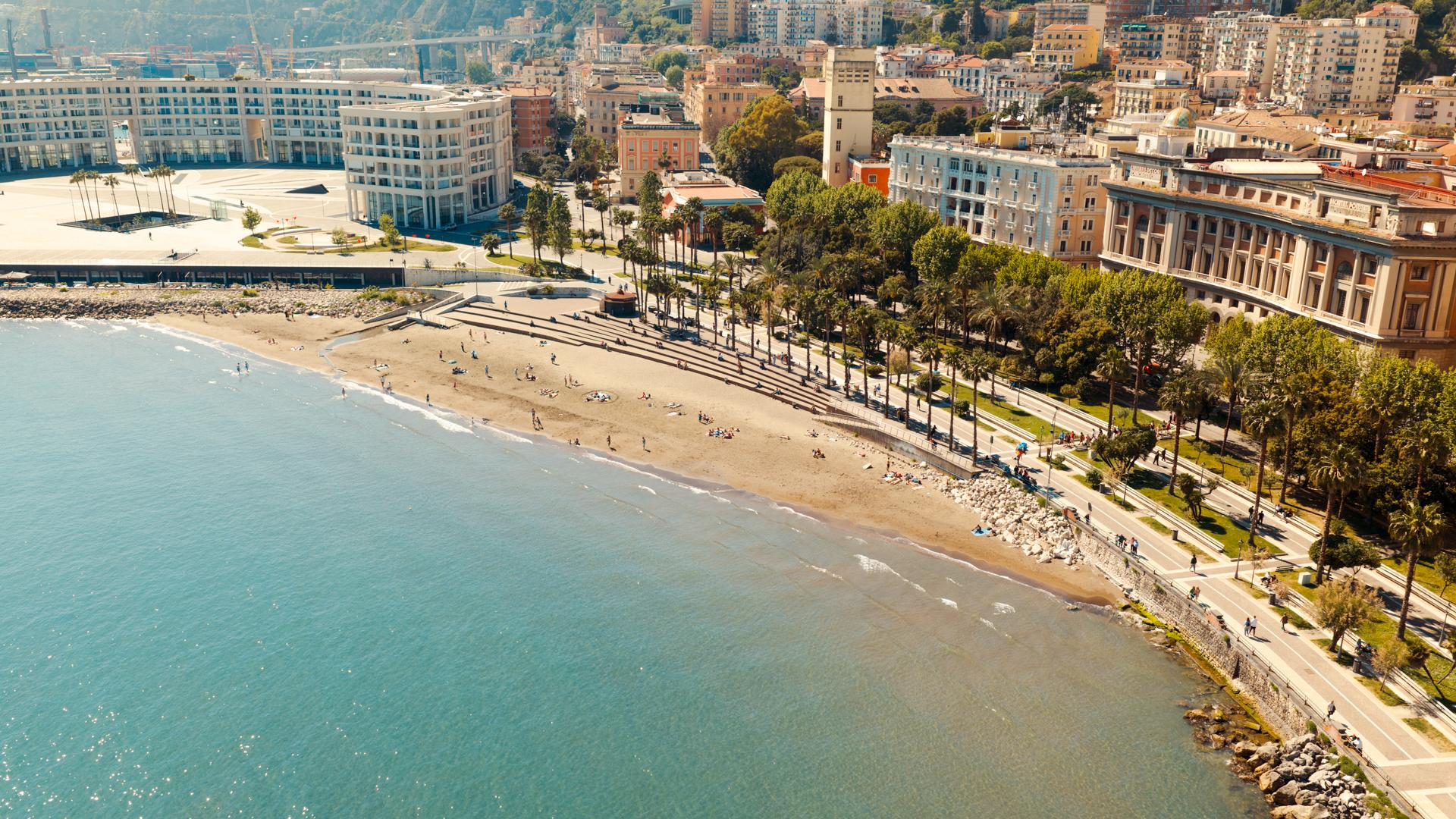
Salerno was born from the sea and for the sea. Its port has been a strategic point for trade, travelers and cultures from all over the Mediterranean for centuries. Even today, arriving in Salerno by sea means immediately grasping its open and welcoming soul. The Lungomare Trieste, with its palm trees and ever-moving horizon, is a true urban threshold: here the city tells its story slowly, step by step. Salerno's seafront was designed in the 1950s as a symbol of modernity and urban rebirth, inspired by the great European coastal boulevards.
In the Middle Ages, Salerno was known throughout Europe as the capital of medicine. The Salerno Medical School, the first Western medical institution, attracted scholars from different worlds: Latin, Greek, Arabic and Hebrew. Here knowledge had no borders, anticipating that Mediterranean spirit of dialogue between cultures that still defines the city today. Women doctors also worked in the Salerno Medical School, such as Trotula de Ruggiero, considered a pioneer of gynecology.
The historic center of Salerno is a tangle of alleys, arches and squares that tell of centuries of domination and cultural contamination. Lombards, Normans, Swabians and Aragonese have left clear signs in architecture and urban planning. The Cathedral of San Matteo, with its Arab-Norman bell tower, is the most evident symbol of this Mediterranean fusion. The relics of Saint Matthew the Evangelist arrived in Salerno by sea in the 11th century, strengthening the city's role as a spiritual as well as commercial port.
Salerno does not live only in the past. The city has chosen to dialogue with the present and the future through contemporary architecture and culture. Zaha Hadid's Maritime Station, with its fluid forms, has become one of the symbols of modern Salerno, an ideal bridge between the city and the sea. During the year, Salerno comes alive with events that strengthen its role as an urban destination: Luci d'Artista, which transform the city into an open-air gallery; cultural, musical and literary festivals; initiatives linked to Mediterranean design, art and creativity. Luci d'Artista was born as a temporary project, but its success has transformed it into one of the best-known urban events in Southern Italy.
Salerno cuisine is a tale of sea and land. From fish dishes linked to the port tradition, to recipes from the hinterland, up to the street food that animates the historic centre. Eating in Salerno means experiencing the city: sitting in the square, listening to the voices, observing the urban flow, savoring a cuisine that is a Mediterranean identity even before being gastronomy. Many traditional Salerno dishes were born as "travel" food, designed for sailors and merchants in transit.