The Cilento of Philosophers and Ancient Civilizations
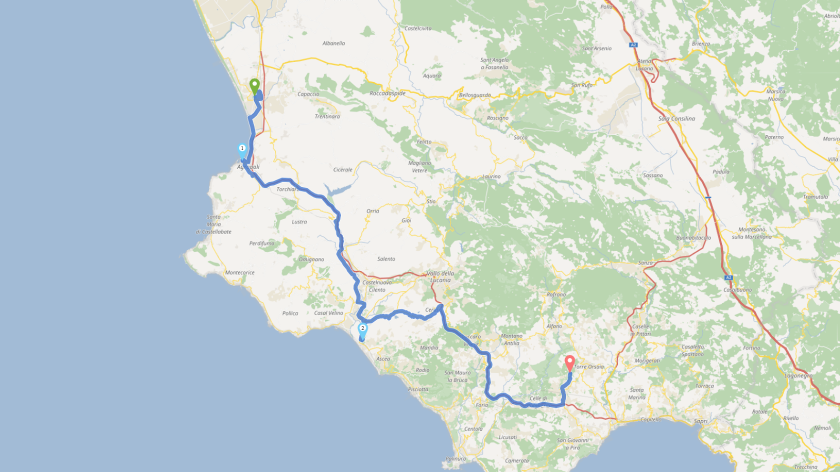
Day 1 – Paestum: Magna Graecia
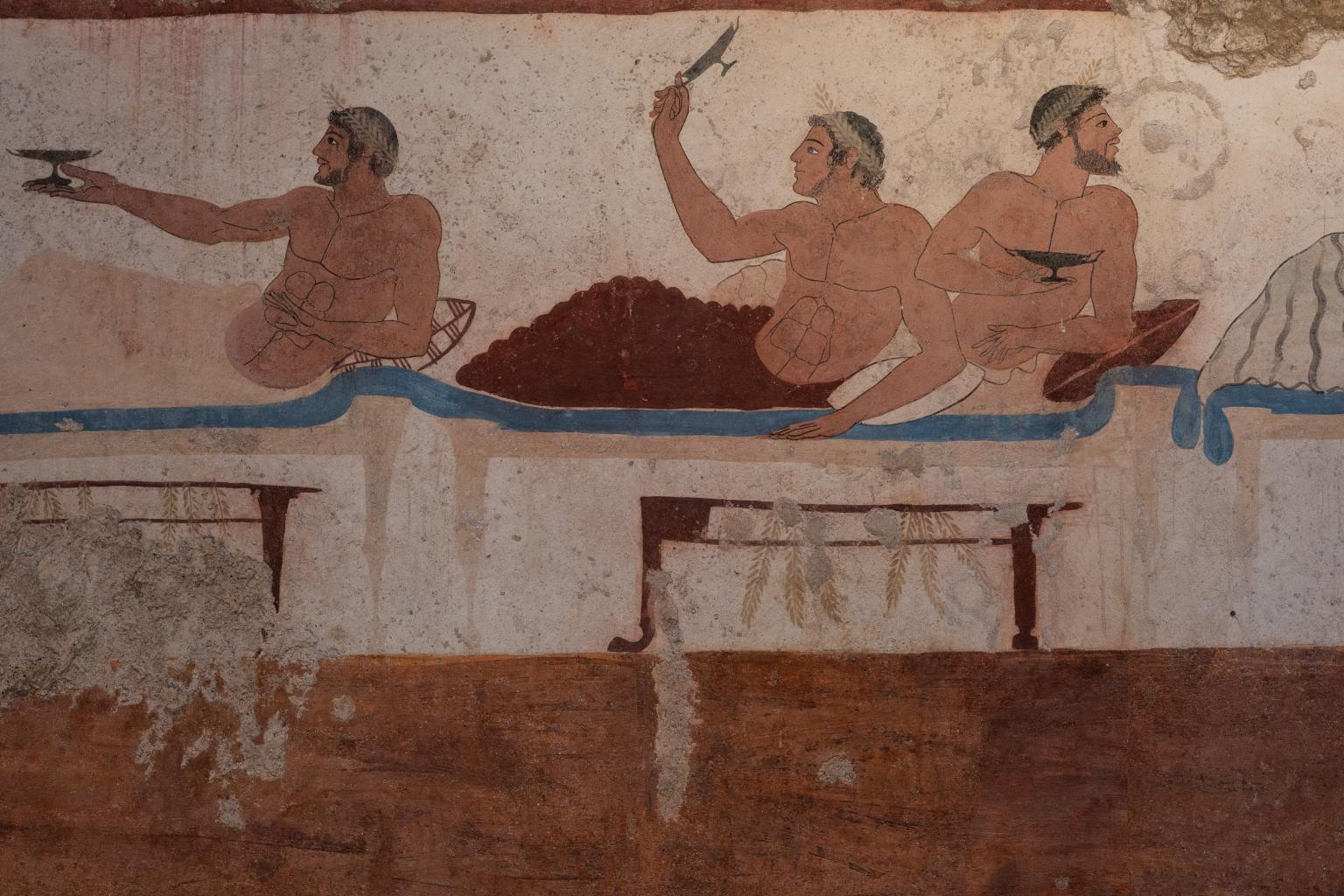
Immerse yourself in the ruins of Paestum, one of the most fascinating and best-preserved archaeological sites of ancient Magna Graecia, walking among the majestic columns of the three Doric temples traditionally attributed to Hera, Neptune, and Athena. The visit continues at the Museo Archeologico Nazionale, where the Tomba del Tuffatore offers an extraordinary example of ancient Greek painting.
📌 History and archaeology enthusiasts can enjoy a unique experience by taking a hot-air balloon ride and admiring the ancient ruins of Paestum from above.
Day 2 – Agropoli: the ancient “Città Alta”
Discover the charm of the seaside village of Agropoli, with its picturesque streets and sea views that testify to its strategic role in the Mediterranean. Once an important Byzantine centre, it preserves the majestic Castello Angioino Aragonese; from its walkways, visitors can admire breathtaking views over the Golfo di Salerno and the Cilento coast.
Day 3 – Velia: Eleatic Philosophy
Explore the remains of Velia, where ancient walls and the famous Porta Rosa evoke the philosophy of Parmenide and Zenone. The day ends with a walk through the nearby village of Ascea, among peaceful alleys and authentic local flavours.
💡The archaeological site of Velia includes an uphill route requiring a good level of physical fitness.
📌 For outdoor enthusiasts, the Sentiero degli Innamorati offers spectacular views over the Golfo di Velia all the way to the silhouette of Capo Palinuro.
Day 4 – Roccagloriosa: Lucanian and Roman Traces
The journey continues to Roccagloriosa, a hilltop village overlooking the Golfo di Policastro. Between the Chiesa di San Giovanni Battista and the Parco Archeologico, traces of ancient walls, tombs, and settlements reveal fragments of Lucanian and Roman history. The artefacts preserved in the Museo Archeologico offer an intimate and precious glimpse into the daily life of ancient inhabitants.