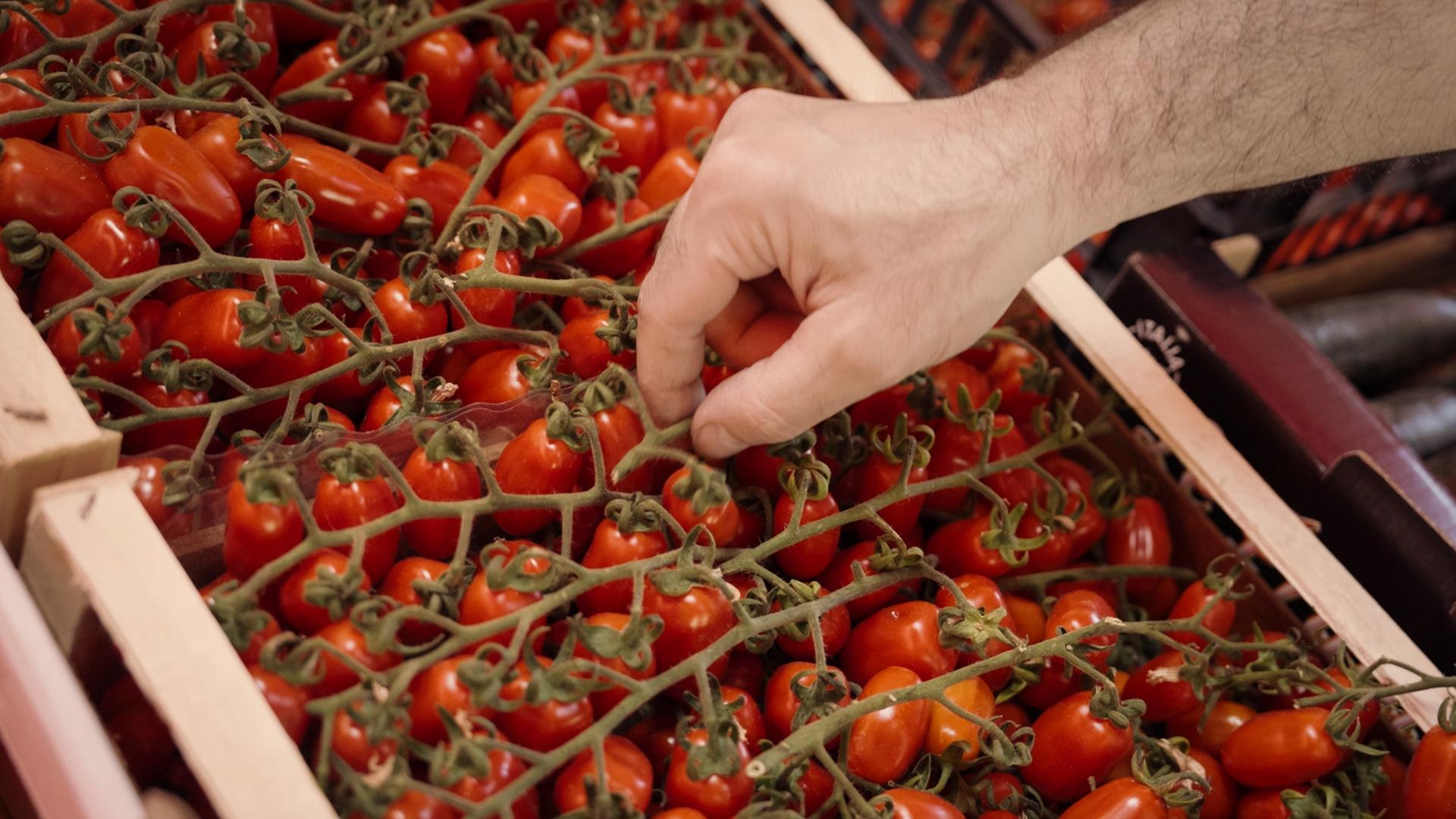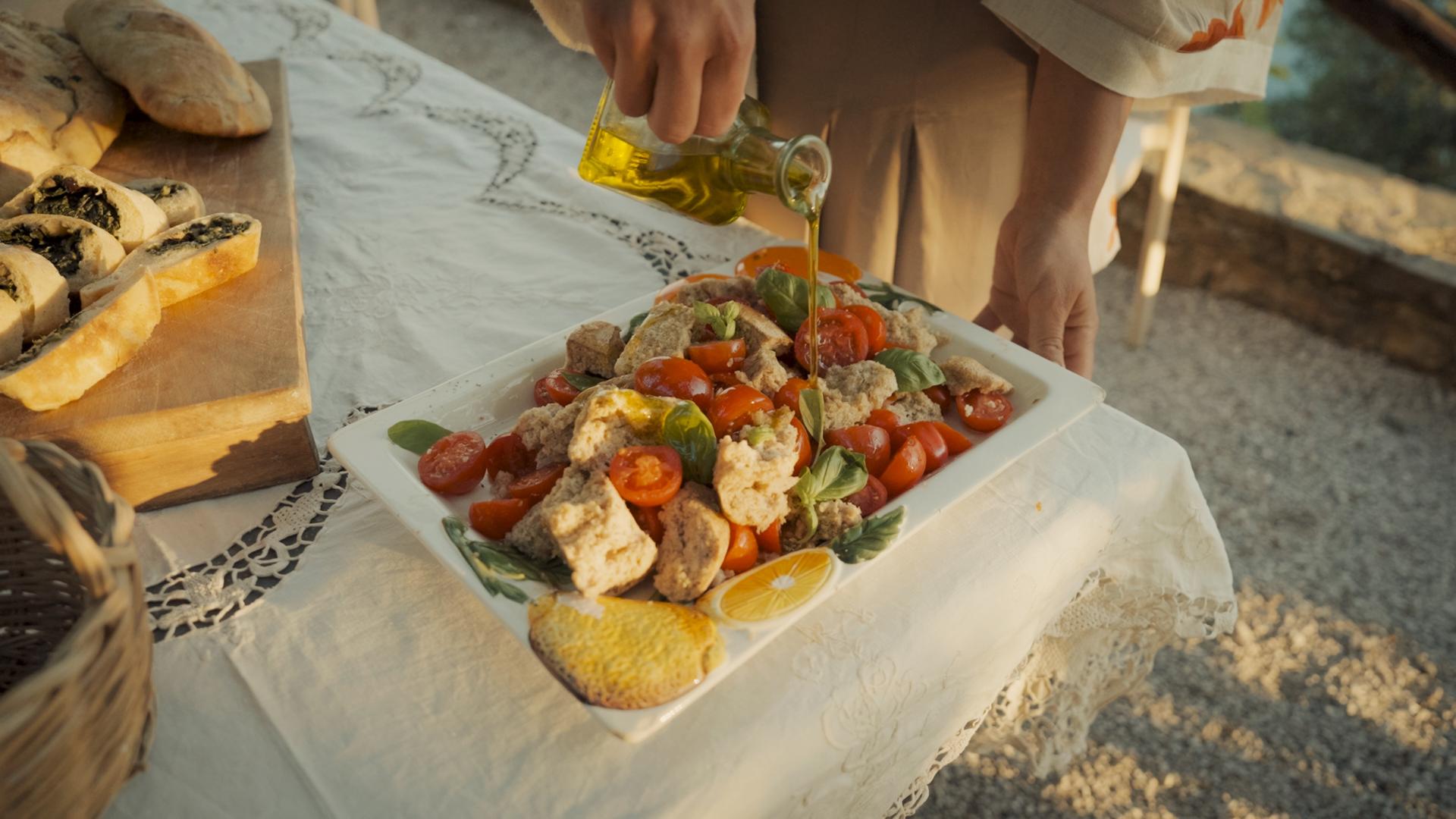
In the Province of Salerno the Mediterranean Diet is not a nutritional theory, but a way of life. Between Cilento, Paestum, the Piana del Sele and Salerno, food tells of a profound relationship between man, territory and time. Eating is never an isolated gesture: it is culture, sharing, respect for natural rhythms.
In the Cilento and in Vallo di Diano , where the Mediterranean Diet was born as a lifestyle before even as a dietary model, in which everyday life is made of simplicity and moderation. Bread, extra virgin olive oil, legumes, vegetables, wild herbs and fish form the basis of the diet, while meat remains an occasional food. Here we don't eat for abundance, but for balance, following seasonality and reducing waste to a minimum.
it is this sober and convivial context that attracted the attention of the American scholar Ancel Keys, who in the 1950s arrived in Cilento and discovers something that goes beyond science. Observe people, and notice their longevity. Listen to the way they eat. Bread, oil, legumes, vegetables, fish. Little sugar, little meat, no rush. Food is never separated from daily life, nor from conviviality. He understands that it's not just what they eat, but how they do it. Keys decided to move to live in Cilento, in Pioppi, because he wanted to study the Mediterranean Diet not in the laboratory, but by living it every day. In Pioppi he finds his ideal home. Here he conducts studies, writes, observes. But Pioppi is not just a "case study". It's proof that a diet works when it's ingrained in a culture, not when it's imposed. The Mediterranean Diet has been recognized by UNESCO as an intangible cultural heritage precisely because it is not just food, but a combination of knowledge, practices and social relationships. It is also possible to visit Pioppi the Living Museum of the Mediterranean Diet , located on the first floor of Palazzo Vinciprova, is managed, together with the Museo Vivo del Mare, by Legambiente, and is part of the Ecomuseum of the Mediterranean Diet network.
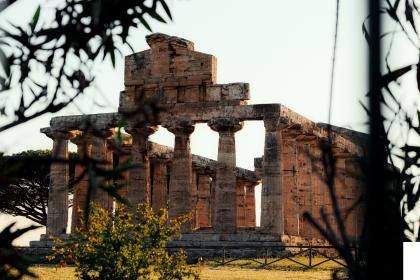
TO Paestum instead, the Mediterranean Diet dialogues with history. The Doric temples overlook a plain that for millennia has produced wheat, oil, wine and vegetables, foods that continue to mark daily life. Food becomes memory and continuity, a simple gesture that passes through time without losing meaning.
In the Sele Plain the agricultural landscape conveys the image of conscious abundance: fresh vegetables, cereals and local products follow the rhythm of the seasons, confirming one of the fundamental pillars of the Mediterranean Diet.
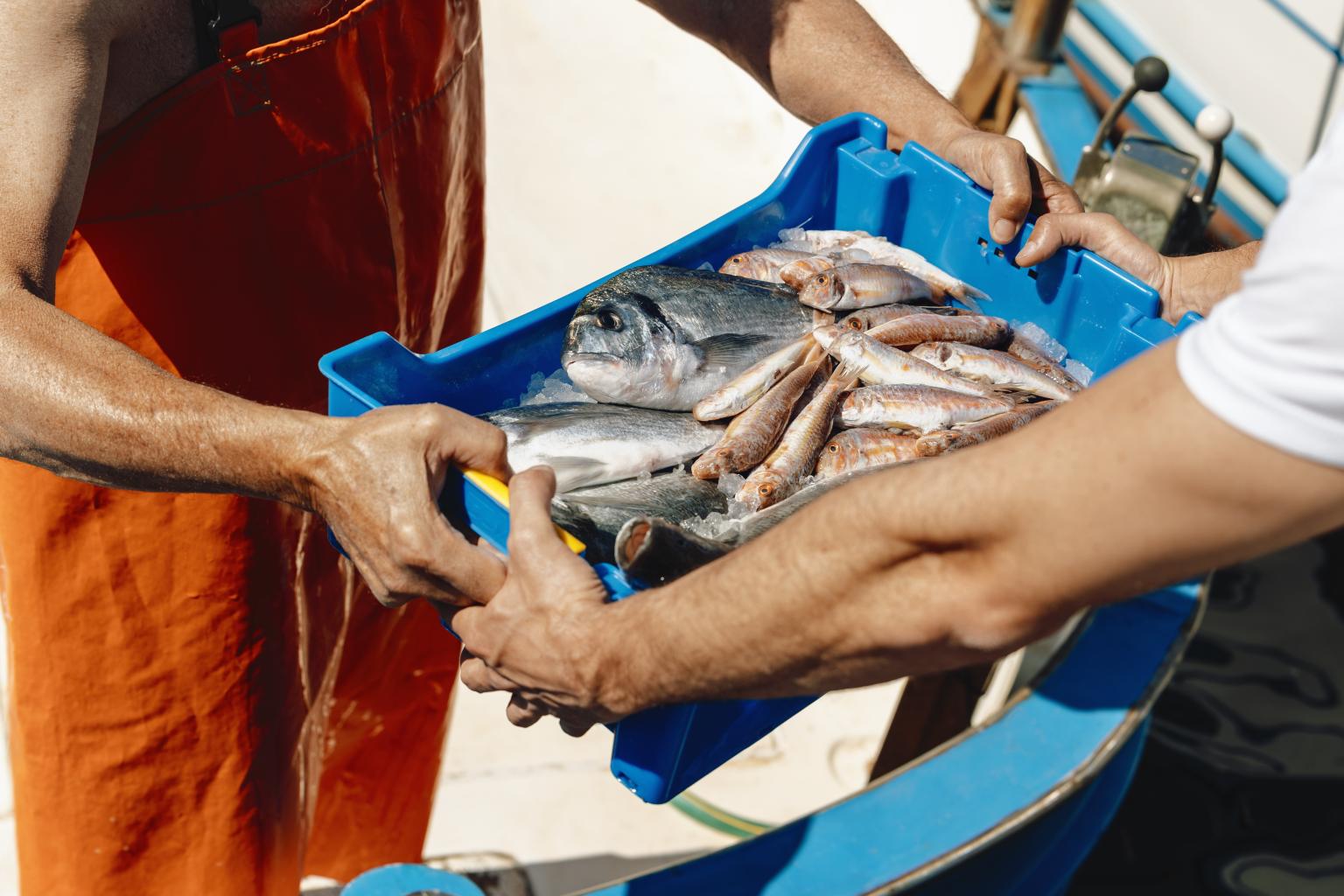
Arriving at Salerno , this model becomes urban and marine. The sea enters the dishes with blue fish, citrus fruits and aromatic herbs, giving life to an essential, light and deeply convivial cuisine. Even in the city, the meal remains a moment of relationship and pause, not a simple biological necessity.
Recognized by UNESCO as an intangible cultural heritage, the Mediterranean Diet is not made up of rigid rules or "miraculous" foods, but of virtuous contexts: social relationships, slowness, respect for nature and the pleasure of being together. It does not ask to be followed like a diet, but lived as a daily experience capable of improving the relationship with food, with time and with life itself.